Wednesday, November 20, 2024

How to Build and Sell Wooden Jewelry Boxes with Eco-Friendly Materials

How to Build and Sell Wooden Jewelry Boxes with Eco-Friendly Materials

Crafting and Selling Eco-Friendly Wooden Jewelry Boxes

In a world increasingly conscious of its environmental impact, consumers are seeking out products made with sustainable materials and ethical practices. Wooden jewelry boxes offer a beautiful and practical solution for storing cherished accessories while aligning with eco-friendly values. By choosing eco-friendly materials and embracing sustainable practices, you can create and sell unique wooden jewelry boxes that appeal to environmentally conscious customers.

Choosing Eco-Friendly Materials

The heart of any eco-friendly wooden jewelry box lies in the materials you choose. Opting for sustainable and ethically sourced wood is paramount.

Sustainable Wood Species

Explore wood species known for their rapid growth rates and responsible forestry practices. Bamboo, for example, is a remarkably fast-growing and renewable resource. Other options include sustainably harvested hardwoods like cherry, maple, or walnut. Research certified wood sources like the Forest Stewardship Council (FSC) to ensure your wood comes from responsibly managed forests.

Recycled and Upcycled Materials

Give new life to old materials by incorporating recycled or upcycled components into your jewelry boxes. Repurposed wood from pallets, salvaged furniture, or reclaimed barn wood adds character and reduces waste. Explore using recycled metal hardware, such as hinges and latches, to further enhance the sustainability of your creations.

Building Your Wooden Jewelry Boxes

Building wooden jewelry boxes involves a series of steps that require precision, care, and a touch of creativity. The process involves careful planning, precise cutting, and meticulous assembly.

Design and Planning

Start by sketching out your design, considering the size, shape, and functionality of the jewelry box. You can create simple, rectangular boxes or opt for more intricate designs with compartments and drawers. Factor in the size of jewelry pieces you intend to store, ensuring ample space for rings, necklaces, bracelets, and earrings.

Cutting and Shaping

Using precise woodworking tools, cut the wood panels according to your design specifications. Invest in high-quality saws, routers, and sanders for clean cuts and smooth surfaces. Pay attention to angles and measurements to ensure accurate joinery. If you're new to woodworking, consider seeking guidance from experienced craftspeople or taking woodworking classes to develop essential skills.

Assembly and Finishing

Once your pieces are cut, assemble the box using strong wood glue and secure joints with screws or dowels. Choose environmentally friendly wood glue that emits low VOCs (Volatile Organic Compounds). Sand the box thoroughly to remove any imperfections and achieve a smooth finish. Consider using a natural oil or wax finish for a protective and aesthetically pleasing coating. Avoid using harsh chemicals or paints that can release harmful toxins.

Marketing Your Eco-Friendly Jewelry Boxes

To reach your target market of environmentally conscious consumers, you need to highlight the sustainability of your wooden jewelry boxes in your marketing efforts.

Highlight Sustainability

Clearly emphasize the eco-friendly aspects of your jewelry boxes in your product descriptions, website, and social media presence. Feature the sustainable wood species used, the recycled or upcycled materials incorporated, and any ethical sourcing practices employed. Use descriptive language that resonates with environmentally conscious consumers, such as "sustainable," "eco-friendly," "handmade," and "naturally beautiful."

Target the Right Audience

Focus your marketing efforts on platforms and channels that align with your target audience's interests. Engage with online communities and social media groups dedicated to sustainability, eco-friendly living, and handcrafted goods. Consider partnering with eco-conscious retailers or influencers who share your values and reach a wider audience.

Offer Unique and Personalized Options

Appeal to customers' desire for individuality by offering a variety of customizable options. Allow customers to choose from different wood finishes, personalize the box with engraved names or initials, or select from a range of hardware choices. This personalization adds a special touch and makes your jewelry boxes more desirable.

Selling Your Wooden Jewelry Boxes

There are numerous avenues for selling your eco-friendly wooden jewelry boxes, each offering different advantages and reach.

Online Marketplaces

Leverage online marketplaces like Etsy, Amazon Handmade, and Shopify to reach a global audience. These platforms provide a convenient platform for showcasing your products, managing orders, and processing payments. You can target specific keywords related to sustainability and eco-friendly jewelry boxes to attract relevant customers.

Local Craft Fairs and Markets

Participate in local craft fairs and markets to connect directly with potential customers in your area. This provides an opportunity to showcase your craftsmanship, engage in face-to-face interaction, and gather valuable feedback. Consider offering limited-edition pieces or unique designs to create a sense of exclusivity and attract attention.

Direct Sales

Establish a strong online presence with your own website or social media pages to showcase your handcrafted jewelry boxes. Build an email list and use content marketing to share valuable information about sustainability, woodworking, and jewelry storage. Consider offering special discounts or promotions to incentivize purchases.

Conclusion

Building and selling wooden jewelry boxes with eco-friendly materials offers a rewarding opportunity to combine craftsmanship, sustainability, and business acumen. By embracing responsible sourcing, sustainable practices, and targeted marketing, you can create and sell beautiful and meaningful products that resonate with environmentally conscious consumers. As the demand for sustainable and ethically produced goods continues to grow, your eco-friendly wooden jewelry boxes can stand out as a testament to responsible design and ethical craftsmanship.

Tuesday, November 19, 2024

How to Make Functional Woodworking Projects as a Beginner

How to Make Functional Woodworking Projects as a Beginner

Taking the First Steps: Building Functional Woodworking Projects as a Beginner

Hey there, aspiring woodworker! Stepping into the world of woodworking can feel a bit daunting, especially when you're starting from scratch. But trust me, it's a truly rewarding experience. Creating something beautiful and useful with your own hands is a feeling unlike any other. This guide is all about helping you take those first steps, build confidence, and create functional projects that you'll actually use and enjoy.

Choosing the Right Project: Starting Small

It's tempting to jump right into that fancy coffee table or intricate bookshelf you've been dreaming of, but let's be realistic. Starting with something simple is key. Think about what you need or would actually use in your everyday life. Here are a few ideas:

  • Simple Shelf: A great way to practice cutting, joining, and finishing techniques. Perfect for displaying plants, books, or decorative items.
  • Cutting Board: Useful in the kitchen and a fun project to personalize with different wood types or designs.
  • Birdhouse: A classic project that's easy to build and provides a great opportunity to experiment with different shapes and designs.
  • Planter Box: Give your plants a stylish home and learn how to work with larger pieces of wood.

The important thing is to choose a project that excites you and that you'll actually use, which will keep you motivated and engaged. Don't be afraid to start small and gradually work your way up to more complex projects.

Gathering the Essential Tools: You Don't Need a Workshop

It's true, woodworking can be a bit of an investment, but you don't need to spend a fortune to get started. Focus on the essential tools and upgrade as you go. Here's a basic starting kit:

  • Measuring Tape: A must-have for accuracy. Get one that locks and features a clear, easy-to-read scale.
  • Saw: A handsaw or a jigsaw will be sufficient for beginners. A handsaw offers a classic woodworking experience while a jigsaw provides more flexibility and is easier to use for curves.
  • Hammer: Choose a claw hammer for nailing and pulling nails. A rubber mallet is also handy for delicate work.
  • Screwdriver: Get a set with different sizes and types of screwdriver bits. A cordless drill/driver is a great investment, but not essential in the beginning.
  • Clamps: Essential for holding pieces of wood together while you work. Start with a few C-clamps and add more as needed.
  • Sandpaper: Sanding is crucial for smooth surfaces and a professional finish. Get a range of grits from coarse to fine.

There are plenty of great resources available to help you learn more about basic woodworking tools and techniques. Check out online tutorials, videos, and woodworking blogs. Also, consider joining a local woodworking club or taking a beginner's class.

Choosing Your Wood: A Guide for Beginners

The type of wood you choose will depend on the project and your budget. Here are a few beginner-friendly options:

  • Pine: Softwood that's easy to work with and inexpensive. Great for beginner projects.
  • Redwood: Known for its beautiful color and natural resistance to rot. Good for outdoor projects.
  • Oak: Hardwood that's strong and durable. Often used for furniture and flooring.
  • Plywood: A versatile material made of thin layers of wood veneer glued together. Affordable and readily available.

When choosing wood, look for pieces that are free of knots, cracks, or other imperfections. Also, consider the weight and grain pattern, as these factors can affect how the wood works and looks.

Building a Foundation: Mastering Basic Techniques

Woodworking is all about mastering the fundamentals. Here are a few essential techniques that every beginner should know:

Cutting Wood

Start with simple cuts using a handsaw. Learn about different types of cuts (crosscut, rip cut) and how to achieve precise, clean edges. As you progress, you can explore using a jigsaw for curved cuts, or a table saw if you're comfortable with power tools. Safety first! Always wear safety glasses and make sure your work area is well-lit and free of clutter.

Joining Wood

There are numerous ways to join pieces of wood together. For beginners, simple methods like nailing, screwing, or using wood glue are great starting points. Explore different types of joints like butt joints, miter joints, and rabbet joints as your skills develop.

Sanding Wood

Sanding is crucial for creating smooth, polished surfaces. Start with a coarse grit sandpaper to remove imperfections and gradually progress to finer grits for a smooth finish. Use a sanding block or orbital sander for even results. Remember to sand with the grain of the wood, not against it.

Finishing Wood

Finishing your woodworking project adds durability and enhances the natural beauty of the wood. There are numerous options available, from oil finishes to varnishes and stains. Research different finishes to choose the best one for your project and desired aesthetic.

Beyond the Basics: Exploring New Techniques and Projects

Once you feel comfortable with the basics, you can start experimenting with new techniques and projects. There's a whole world of woodworking styles and techniques to explore, including:

  • Woodturning: Creating round shapes on a lathe. Ideal for bowls, vases, and other decorative items.
  • Carving: Using hand tools to create detailed designs in wood. Suitable for sculptures, ornaments, or decorative accents.
  • Intarsia: A technique that involves fitting pieces of wood together to create intricate patterns. Great for creating decorative panels or furniture.

The possibilities are endless! The most important thing is to keep exploring, learning new techniques, and pushing yourself to create increasingly challenging and rewarding projects.

Tips for Success: Embrace the Learning Process

Woodworking is all about learning and refining your skills. Don't be afraid to make mistakes â€" they are part of the journey. Here are a few tips for success:

  • Plan Ahead: Before starting a project, create a detailed plan, including measurements, materials list, and steps. A good plan will make the building process smoother and more efficient.
  • Practice Patience: Woodworking takes time and patience. Don't rush the process and allow yourself to learn from your mistakes.
  • Be Creative: Don't be afraid to personalize your projects with your own style and ideas. Experiment with different woods, finishes, and designs to create something truly unique.
  • Connect with Others: Join a woodworking club, attend workshops, or connect with other woodworkers online. Sharing your passion and learning from others is a great way to grow your skills and stay motivated.

Commonly Asked Questions

What safety precautions should I take when woodworking?

Safety is paramount! Always wear safety glasses to protect your eyes from flying debris. Use ear protection when operating loud tools. Make sure your work area is well-lit and free of clutter. Never work with power tools when tired or distracted.

How do I know if I'm using the right tools for the job?

Research the tools you need for your project. There are great resources online and in woodworking books. Start with the basics and gradually acquire more specialized tools as your skills and project requirements grow.

What's the best way to learn woodworking?

There are many ways to learn! Online tutorials, videos, and woodworking blogs offer great resources. Consider taking a beginner's class or joining a local woodworking club. The most important thing is to find a learning method that suits your style and keeps you engaged.

Woodworking is a journey, not a destination. Enjoy the process, learn from your mistakes, and embrace the creativity that comes with working with wood. Before you know it, you'll be creating beautiful and functional projects that you'll cherish for years to come. Happy woodworking!

How to Build Simple DIY Projects with These Free Beginner Woodworking Plans

How to Build Simple DIY Projects with These Free Beginner Woodworking Plans

Embark on Your Woodworking Journey: Simple DIY Projects with Free Beginner Plans

Woodworking is a rewarding craft that allows you to create beautiful and functional pieces for your home and beyond. While it may seem daunting at first, starting with simple DIY projects using free beginner woodworking plans can be a fantastic way to build your skills and confidence. This guide will walk you through the essentials, from selecting the right plans to assembling your masterpiece.

Why Choose Free Beginner Woodworking Plans?

Free woodworking plans offer an accessible entry point into this craft, allowing you to explore different techniques and designs without breaking the bank. They provide detailed instructions, diagrams, and materials lists, guiding you through every step of the process.

Benefits of Using Free Plans:

  • Cost-Effective: Eliminate the expense of purchasing plans, freeing up your budget for materials and tools.
  • Variety of Projects: Explore a wide range of designs, from simple shelves to intricate furniture.
  • Step-by-Step Guidance: Enjoy clear instructions and diagrams for a seamless building experience.
  • Learning Opportunity: Gain valuable woodworking knowledge and skills with each completed project.

Finding the Perfect Free Beginner Woodworking Plans

The internet is a treasure trove of free woodworking plans catering to every skill level and interest. Here are some reputable sources to explore:

Popular Websites:

  • Ana White: Known for its user-friendly plans and detailed instructions.
  • The Wood Whisperer: Offers a diverse range of projects with comprehensive videos and tutorials.
  • Popular Mechanics: Features practical and stylish DIY projects for the home.
  • Instructables: A vast community platform with countless free woodworking projects and user-generated instructions.
  • Pinterest: A visual search engine where you can find inspiration and plans based on your specific preferences.

Tips for Choosing Plans:

  • Skill Level: Select plans that align with your woodworking experience. Beginner plans often use basic techniques and tools.
  • Project Size and Complexity: Start with smaller and simpler projects to build your confidence gradually.
  • Personal Interest: Choose plans that appeal to your aesthetic preferences and practical needs.
  • Material Availability: Ensure the materials listed in the plan are readily available in your area.

Essential Woodworking Tools for Beginners

While you can begin with a limited set of tools, these essentials will set you up for success in your woodworking journey:

  • Measuring Tape: Precisely measure materials and ensure accurate cuts.
  • Hand Saw: Cut lumber to desired lengths and shapes.
  • Hammer: Drive nails and secure joints.
  • Screwdriver: Assemble components and fasten screws.
  • Level: Ensure surfaces are even and stable.
  • Clamps: Secure workpieces during assembly.
  • Safety Glasses: Protect your eyes from flying debris.
  • Work Gloves: Enhance grip and protect your hands.

Step-by-Step Guide to Building a Simple Project

Let's walk through the process of building a simple wooden shelf using a free beginner plan as an example:

Step 1: Gather Materials and Tools

  • Refer to the plan's materials list and gather all necessary lumber, fasteners, and other supplies.
  • Ensure you have the required tools, including a saw, hammer, screwdriver, level, clamps, and safety gear.

Step 2: Prepare the Wood

  • Cut the lumber to the lengths specified in the plan, using a saw or a table saw.
  • Sand the edges and surfaces to achieve a smooth finish.

Step 3: Assemble the Components

  • Follow the plan's instructions to join the pieces together using nails, screws, or glue.
  • Use clamps to hold the components in place while the glue dries.

Step 4: Finish the Project

  • Sand the entire shelf to remove any rough spots or imperfections.
  • Apply a finish, such as paint, stain, or varnish, to enhance the appearance and protect the wood.

Step 5: Enjoy Your Creation

  • Admire your finished shelf and celebrate your woodworking accomplishment.
  • Place it in your home or gift it to someone special.

Tips for Successful Beginner Woodworking

As you embark on your woodworking journey, keep these tips in mind:

  • Start Small: Begin with simple projects to build your confidence and skills before tackling more complex tasks.
  • Practice Safety: Always wear safety glasses and gloves, and use caution when operating tools.
  • Read the Plans Carefully: Pay close attention to the instructions and diagrams before starting a project.
  • Take Your Time: Don't rush the process. Patience and accuracy are key to creating quality woodworking projects.
  • Learn from Mistakes: Everyone makes mistakes. Use them as learning opportunities and don't be afraid to start over if necessary.

Conclusion

Woodworking is a rewarding and enjoyable hobby that can bring immense satisfaction. Using free beginner woodworking plans is a fantastic way to get started, learn new skills, and create beautiful and functional pieces for your home and beyond. Remember to start small, practice safety, and enjoy the process of bringing your woodworking dreams to life.

Monday, November 18, 2024

How to Build a Tiered Wooden Plant Stand for Gardeners

How to Build a Tiered Wooden Plant Stand for Gardeners

Building a Tiered Wooden Plant Stand: A Gardener's Guide

Hey fellow green thumbs! Are you tired of your plants cluttering up your windowsill or patio? Do you dream of showcasing your beautiful blooms and lush greenery in a way that's both practical and stylish? Look no further! Building a tiered wooden plant stand is a fantastic way to add some vertical gardening magic to your space. It's a project that's surprisingly easy to tackle, even if you're a beginner woodworker. Plus, you'll have the satisfaction of creating something unique and functional with your own two hands.

So, grab your tools, put on your favorite gardening playlist, and let's get started!

Choosing Your Materials

The first step is to gather your supplies. You'll need:

  • Wood: Pine or cedar are excellent choices for their durability and affordability. You can use pre-cut lumber or get a piece of wood and cut it to size yourself.
  • Screws: Choose screws that are long enough to securely fasten the wood pieces together.
  • Wood glue: A good quality wood glue will add extra strength to your stand.
  • Sandpaper: You'll need sandpaper to smooth out any rough edges and give your stand a polished look.
  • Wood stain or paint (optional): This is where you can get creative and personalize your plant stand. Choose colors and finishes that complement your garden and home decor.
  • Measuring tape: This is crucial for making accurate cuts and ensuring everything fits together properly.
  • Saw: You'll need a saw to cut the wood to size. A circular saw or a jigsaw will make the job easier.
  • Drill: A drill will make it easier to pre-drill holes for the screws, preventing the wood from splitting.
  • Level: A level will help you ensure that your plant stand is perfectly balanced.

Planning the Design

Before you dive into cutting wood, take some time to plan out your stand. Consider these factors:

  • Size: How big do you want your stand to be? Measure the space where you plan to place it. You can create a compact stand that fits snugly in a corner or a larger one that serves as a focal point in your garden.
  • Number of Tiers: Do you want two, three, or even four tiers? More tiers mean more space for your plants, but they also require more material and construction time.
  • Shape: A classic square or rectangular design is easy to build, but you can also get creative with circular or hexagonal shapes.
  • Style: Think about the overall look you want to achieve. Rustic, modern, minimalist, farmhouse? Your chosen wood, stain, and finish will contribute to the style of your plant stand.

Building the Base

Now for the fun part! Let's start building! Here's how to build the base:

  1. Cut the Base Pieces: Cut four pieces of wood to the desired length for the base of your stand. These will form the square or rectangular shape.
  2. Assemble the Base: Using wood glue and screws, connect the four base pieces to form a square or rectangle. Use a level to ensure all sides are even and the base is perfectly square.

Creating the Tiers

Now it's time to build the tiers that will hold your plants. Let's do it!

  1. Cut the Tier Pieces: For each tier, you'll need to cut four pieces of wood that are slightly shorter than the base pieces. The difference in length will create the tiered effect.
  2. Assemble the Tiers: Just like the base, use wood glue and screws to connect the four pieces of wood for each tier. Make sure to use a level to ensure they are square.
  3. Attach the Tiers: Attach each tier to the base using screws. Make sure to position the tiers at the desired height and that they are centered on the base.

Finishing Touches

You're almost there! Now it's time to add some finishing touches to your plant stand.

  1. Sanding: Sand down all surfaces of the stand, smoothing out any rough edges. This will create a more polished and professional look.
  2. Staining or Painting: If you're going for a stained or painted finish, apply the stain or paint according to the manufacturer's instructions. Let it dry completely before moving on.
  3. Adding a Protective Coating: To protect your plant stand from the elements and spills, consider applying a sealant or varnish. This will also enhance the color and finish.

Time to Plant!

Congratulations! You've built a beautiful and functional tiered wooden plant stand. Now it's time to fill it with your favorite plants. Have fun arranging your greenery and enjoy the beauty of your new creation! Remember to choose the right size pots for your plants and make sure they have adequate drainage.

Commonly Asked Questions

What kind of wood is best for a plant stand?

Pine and cedar are excellent choices because they are affordable, durable, and easy to work with. They also have a natural resistance to rot and insects. If you're looking for a more luxurious finish, hardwoods like oak or maple are also options, but they will be more expensive.

Do I need to pre-drill holes for the screws?

It's highly recommended! Pre-drilling holes will prevent the wood from splitting when you drive in the screws. Use a drill bit that is slightly smaller than the diameter of the screws you are using.

How can I prevent my plant stand from rotting?

Choose a wood that is naturally resistant to rot, such as cedar or redwood. You can also apply a sealant or varnish to protect the wood from moisture.

How can I make my plant stand more unique?

Get creative! You can use different shapes and sizes of wood, add decorative elements like scrollwork or carvings, or paint the stand in bold colors. You can even add a chalkboard panel to your stand so you can label your plants.

Building a tiered wooden plant stand is a rewarding project that allows you to express your creativity and personalize your garden. So, don't be afraid to experiment and have fun with it! With a little patience and effort, you can create a stunning plant stand that will make your green friends thrive.

Wednesday, November 13, 2024

Christmas Woodworking Ideas with Reclaimed Wood

Christmas Woodworking Ideas with Reclaimed Wood

Christmas Woodworking Ideas with Reclaimed Wood

Christmas is a time for family, friends, and of course, beautiful decorations. What better way to celebrate the season than with handmade decorations crafted from reclaimed wood? Not only will you be adding a touch of rustic charm to your home, but you'll also be giving new life to old materials. With a little creativity and some basic woodworking skills, you can transform salvaged wood into stunning Christmas ornaments, festive signs, and other unique pieces.

Ornaments

Reclaimed wood lends itself perfectly to crafting unique ornaments. Cut the wood into small shapes like stars, snowflakes, or Christmas trees. Sand the edges smooth and drill a small hole at the top for hanging. Get creative with paint or stain to add color and patterns. You can even add embellishments like glitter, beads, or ribbons.

Here are some ornament ideas:

  • Tree Slice Ornaments: Find thin slices of wood, especially from trees with interesting patterns. Sand the edges and add a coat of clear sealant to preserve their natural beauty.
  • Painted Wood Ornaments: Paint the wood in festive colors like red, green, and gold, or create intricate designs. For a rustic look, use natural stains or paints.
  • Engraved Wood Ornaments: Use a wood-burning tool to engrave holiday designs or personalize the ornaments with names or dates.

Signs

Create festive signs with reclaimed wood to add a touch of personality to your holiday décor. You can build simple signs with a single board or more elaborate designs with multiple pieces. Attach hooks or twine for hanging.

Here are some ideas for signs:

  • "Merry Christmas" Sign: Use a large piece of reclaimed wood and paint it in a festive color. Add the message "Merry Christmas" in contrasting paint or using a wood-burning tool.
  • "Welcome" Sign: Create a rustic welcome sign with a reclaimed wood plank. Decorate it with holiday greenery or festive ribbons.
  • Personalized Signs: Make personalized signs with family names or special messages for a unique touch.

Other Ideas

Beyond ornaments and signs, there are endless possibilities for Christmas woodworking projects with reclaimed wood.

Here are some additional ideas:

  • Advent Calendar: Build a unique advent calendar using reclaimed wood and small boxes or drawers.
  • Christmas Tree Stand: Create a rustic and sturdy tree stand from reclaimed wood.
  • Wreath Base: Make a beautiful Christmas wreath base using reclaimed wood and wire mesh.
  • Gift Tags: Cut small pieces of reclaimed wood into shapes like stars or hearts to create personalized gift tags.

Working with reclaimed wood adds a unique charm to any project, and using recycled materials is environmentally friendly. Get creative with your designs and let your imagination run wild! This Christmas, bring a touch of rustic elegance to your home with handmade decorations crafted from reclaimed wood.

Tuesday, November 12, 2024

How to Make a Firewood Rack from Pallets for Cozy Winter Nights

How to Make a Firewood Rack from Pallets for Cozy Winter Nights

How to Make a Firewood Rack from Pallets for Cozy Winter Nights

Hey there, fellow fireside enthusiasts! As the leaves start to fall and the air gets crisp, there's nothing quite as cozy as settling in for the evening with a crackling fire. But before you can fully embrace those winter nights, you'll need a reliable spot to store your firewood. Enter the humble pallet: a DIYer's dream material for creating a rustic and functional firewood rack!

Building a firewood rack from pallets is a breeze, even if you're not a seasoned carpenter. With just a few basic tools and some creativity, you can craft a sturdy and stylish rack to keep your firewood organized and off the ground, ready for those chilly evenings.

Gathering Your Supplies

First things first, let's gather our tools and materials. You'll need:

  • One or two pallets: Look for sturdy pallets with minimal damage. If you're using a single pallet, it should be a standard size. You can always ask for pallets at local businesses. They often give them away for free!
  • Safety Glasses: Always protect your eyes when working with wood.
  • Heavy-duty gloves: These will protect your hands from splinters and rough wood.
  • Circular saw or hand saw: For cutting the pallet to your desired size.
  • Hammer and nails or screws: For assembling the rack.
  • Measuring tape and pencil: For marking cuts and ensuring accurate dimensions.
  • Sandpaper: For smoothing out any rough edges and creating a more polished finish.
  • Optional: Stain, paint, or sealant: To personalize your rack and add a touch of your style. (Think rustic wood tones or bright pops of color!)

Preparing the Pallet

Alright, let's get to work! The first step is to prepare your pallet. This involves cleaning, disassembling, and making any necessary cuts:

Cleaning the Pallet

Give your pallet a good cleaning. Use a wire brush to remove any loose debris and dust. If your pallet has been sitting outside, a hose-down with water might be necessary.

Disassembling the Pallet (Optional)

Depending on the design of your rack, you might need to disassemble the pallet. This is often easier than trying to work with the entire pallet intact. Use a hammer and a nail puller or crowbar to gently remove the nails.

Cutting the Pallet (Optional)

If your pallet is too large for your desired rack size, you'll need to cut it down. Use your measuring tape and pencil to mark the desired cutting lines, then carefully use your saw to make the cuts. It's a good idea to have a sturdy work surface for this part.

Building the Firewood Rack

Now it's time to assemble your firewood rack! Let's get creative. Here are a few simple designs to inspire you:

The Simple Lean-To Rack

This is the easiest and most basic firewood rack design. It's perfect for smaller spaces and requires minimal tools.

  1. Select the two longest boards of the pallet as the base of your rack.
  2. Place the boards parallel to each other, leaving a space between them for your firewood.
  3. Lean shorter boards against the base boards, forming the sides of the rack. You can create a "V" shape by placing two short boards on the top of the base boards.
  4. Secure the structure by using nails or screws to attach the sides to the base boards.

The Stackable Rack

If you have a lot of firewood or want a taller rack, consider a stackable design:

  1. Cut the pallet into multiple sections of equal size. These will become the shelves of your rack.
  2. Attach the shelves to each other using nails or screws, leaving space between them to create a sturdy, stackable structure. You can add cross-braces for added stability.

The Wall-Mounted Rack

This is a space-saving option that's perfect for smaller areas. Here's how:

  1. Cut the pallet into sections that fit the size of your wall.
  2. Attach sturdy brackets to the wall, spaced to accommodate the width of the pallet sections.
  3. Secure the pallet sections to the brackets.

Finishing Touches

Now that your firewood rack is assembled, it's time to add the final touches! Sanding, staining, painting, or sealing your rack can give it a polished look and protect the wood.

  1. Sand all surfaces with sandpaper to remove any rough edges or splinters.
  2. If desired, stain or paint the rack using a brush or roller. Let the finish dry completely before using the rack.
  3. Apply a sealant to protect the wood from the elements and prevent warping.

Tips for Using Your Firewood Rack

To make your firewood rack even more functional, consider these tips:

  • Place the rack in a dry location. Firewood should be stored in a sheltered spot, ideally under a roof or tarp, to keep it dry.
  • Stack the wood correctly. A good stacking technique will prevent your rack from tipping over. Space the wood evenly to allow for air circulation.
  • Organize your firewood by size. Keep the smaller pieces on the bottom of the rack for easy access when starting a fire.
  • Consider adding a cover. A simple cover will keep the firewood dry and clean, even during the harshest winter weather.

Enjoy Your Firewood Rack

Congratulations! You've now created a practical and stylish firewood rack from a recycled pallet. Your winter nights are about to become much cozier! Remember, your rack can be as simple or elaborate as you like. Let your creativity flow and have fun with the process!

And when you're relaxing by the fire, remember the satisfaction of knowing you built a cozy nook all on your own.

Turn Old Pallets into a Practical Firewood Rack in Just a Few Steps

Turn Old Pallets into a Practical Firewood Rack in Just a Few Steps

Turn Old Pallets into a Practical Firewood Rack in Just a Few Steps

Tired of messy firewood stacks cluttering your yard? Transform those forgotten pallets into a stylish and practical firewood rack with just a few simple steps. This DIY project is budget-friendly, eco-friendly, and surprisingly easy. Let's get started!

Gather Your Supplies

First, you'll need to gather your supplies. Luckily, most of what you need is probably already in your garage or shed. If not, a quick trip to your local hardware store will have you ready to go. Here's your shopping list:

  • One sturdy pallet
  • Saw (circular saw or hand saw)
  • Safety goggles and gloves
  • Measuring tape
  • Screwdriver or drill
  • Wood screws (2-inch or longer)
  • Optional: Stain or paint for a finished look

Preparing the Pallet

Start by cleaning the pallet thoroughly. Remove any loose nails, staples, or debris. Next, determine the best orientation for your rack. You can either stack the firewood vertically or horizontally, depending on your preference and available space.

If you're using a standard pallet, you'll likely need to remove some slats to create open space for the firewood. Carefully measure and mark the slats you want to remove. Use your saw to carefully cut the slats along the marked lines.

Creating the Rack

Now, it's time to assemble the rack. If you're stacking the wood horizontally, you can leave the pallet as it is. Simply use the existing slats to create rows for your firewood. For vertical stacking, you'll need to add some support.

To add support, cut a few pieces of wood to length and use screws to attach them to the pallet's frame, creating a sturdy base for your firewood. You can also use leftover pallet slats for this purpose.

Finishing Touches

Once the rack is built, give it a good sanding to smooth out any rough edges. If you're opting for a more polished look, you can apply a stain or paint to your pallet. Choose a color that complements your outdoor decor.

Finally, place your firewood rack in its designated spot. You can choose a sunny location for drying or a shaded spot if you want to keep your firewood dry from the elements. Enjoy your new, functional, and eco-friendly firewood rack!

Downloadable DIY Squirrel Box Blueprint

Downloadable DIY Squirrel Box Blueprint

Building a Squirrel Box: A DIY Guide for Your Backyard Buddies

Want to add a touch of wild charm to your backyard? A squirrel box is a fantastic way to attract these playful creatures and provide them with a safe and cozy shelter. This DIY project is perfect for anyone with basic woodworking skills and a love for nature. Let's get started!

Materials You'll Need

Here's what you'll need to gather before you start building your squirrel box:

  • Wood: Choose a weather-resistant wood like cedar, redwood, or pressure-treated pine. You'll need about 10-12 board feet of lumber for a standard-sized box.
  • Screws: Use galvanized or stainless steel screws for durability. You'll need about 20-30 screws of various lengths.
  • Drill: A cordless drill with a variety of drill bits is essential.
  • Saw: A circular saw or hand saw will be needed to cut the wood.
  • Tape measure: For accurate measurements.
  • Pencil: For marking the wood.
  • Clamps: To secure the wood while you're working.
  • Safety glasses: Protect your eyes while sawing and drilling.
  • Optional:
    • Staining or painting: To enhance the look and protect the wood.
    • Roofing shingles: For a more durable and weather-resistant roof.
    • Hardware cloth: For ventilation and to prevent predators from accessing the box.
    • Bird feeder or suet cage: To provide food for your furry friends.

Building the Squirrel Box

Now for the fun part - building the squirrel box! Follow these steps carefully:

1. Cut the Wood

Start by cutting the wood to size. Refer to the downloadable blueprint for the exact dimensions. You'll need to cut pieces for:

  • Front and Back Panels: Two identical pieces.
  • Side Panels: Two identical pieces.
  • Bottom Panel: One piece.
  • Roof: Two identical pieces (optional: you can use a single piece of plywood for the roof).
  • Entrance Hole: Cut a 4-5 inch diameter hole in the front panel for the squirrel's entrance.

2. Assemble the Box

Use screws to secure the front and back panels to the side panels, creating the main box structure. Make sure to use screws long enough to reach through the wood and into the next piece. Next, attach the bottom panel to the base of the box.

Pro Tip: For added strength, you can use wood glue in addition to screws.

3. Add the Roof

There are a few ways to add the roof.

  • Option 1: If you're using two separate roof pieces, attach them to the top of the box, creating a slight overhang to help with drainage. Secure them with screws or hinges.
  • Option 2: For a more simple roof, use a single piece of plywood and secure it to the top of the box using screws.

Optional: To add a more finished look, you can attach roofing shingles to the roof. This will help to protect the wood from the elements.

4. Add Ventilation

It's crucial to provide adequate ventilation for the squirrels. You can do this by cutting small holes in the back and/or side panels using a drill. Or, you can attach a piece of hardware cloth to the back or bottom of the box for additional ventilation and predator protection.

5. Finishing Touches

If you wish, stain or paint the box to give it a more attractive look and to help preserve the wood. Make sure to choose a non-toxic paint that is safe for wildlife.

6. Installation

Find a suitable location for your squirrel box. Look for a spot that's protected from the elements and predators. Secure the box to a tree using heavy-duty screws or brackets, or attach it to a post or sturdy structure. The box should be placed around 6-10 feet above the ground.

Tips for Attracting Squirrels

Once your squirrel box is installed, there are a few things you can do to attract your furry friends:

  • Offer Food: Squirrels love nuts, seeds, and fruits. You can place a bird feeder near the box, or even a small bowl of food on the ground.
  • Provide Water: Squirrels need water, just like any other animal. Place a shallow dish of water near the box, especially during hot weather.
  • Be Patient: It may take a little while for squirrels to discover your box. Don't get discouraged if you don't see them right away.
  • Avoid Disturbances: Try to keep the area around the box quiet and peaceful. Avoid making sudden movements or loud noises that could scare them away.

Enjoy Watching Your New Backyard Residents

Building a squirrel box is a rewarding project that will add a touch of nature to your backyard. You'll have hours of enjoyment watching these curious and entertaining creatures as they come and go from their new home. Plus, you'll be giving them a safe and comfortable place to rest, nest, and raise their young.

Remember, building a squirrel box is a great way to connect with nature and bring some wildlife into your own backyard. Have fun with the project, and enjoy watching the squirrels explore their new home!

How to Craft a Squirrel Box for Your Backyard

How to Craft a Squirrel Box for Your Backyard

Crafting a Squirrel Box: Building a Cozy Home for Your Backyard Buddies

Hey there, nature enthusiasts! Have you ever noticed those furry little acrobats scampering through your trees? Squirrels, those playful creatures, are a delightful addition to any backyard, and what better way to attract them than by building a cozy squirrel box for them to call home? It's a fun and rewarding project, and you'll be amazed at how quickly your feathered friends (and their furry counterparts!) flock to your little haven.

Why Build a Squirrel Box?

Besides adding a charming touch to your outdoor space, building a squirrel box comes with a plethora of benefits. Imagine these adorable critters frolicking around your yard, creating a lively atmosphere. You'll also be providing them with a safe haven, especially during harsh weather conditions or when they're raising a family.

Plus, a squirrel box can be a fantastic learning opportunity for children, teaching them about wildlife and the importance of responsible nature care. It's a great way to foster a sense of responsibility and appreciation for the natural world.

Choosing the Perfect Spot for Your Squirrel Box

Before you get your tools out, it's crucial to find the perfect spot for your squirrel box. Squirrels are naturally cautious creatures, so they need a location that provides both security and access to food and water. Here are a few tips for choosing the right location:

  • Choose a tree with sturdy branches: Make sure the tree you select is sturdy enough to support the weight of the squirrel box and its occupants.
  • Ensure adequate sunlight: Squirrels love warmth and sunlight, so place the box in a sunny spot. Avoid areas that are completely shaded.
  • Consider proximity to food sources: Place the box near a reliable source of food and water, like a bird feeder or a nearby watering hole.
  • Protect from predators: Choose a spot away from potential predators like cats or hawks. A tree with a thick canopy can offer some protection.
  • Consider the weather: Ensure the box is positioned to avoid direct exposure to harsh weather conditions.

Gathering Your Materials: Building a Squirrel Box from Scratch

Now, let's get down to the nitty-gritty of building your squirrel box. Here are the materials you'll need to embark on this exciting project:

  • Wood: Choose weather-resistant wood like cedar or redwood. Consider using a 1x6 board for the bottom, sides, and roof, and 1x4 boards for the supports and the entrance.
  • Screws: Use exterior-grade screws to assemble the box securely.
  • Hammer: For securing nails if you prefer them.
  • Measuring tape: For accurate measurements.
  • Saw: A handsaw, circular saw, or jigsaw are all suitable options for cutting the wood.
  • Drill: With a drill bit that matches the screw size, you can pre-drill pilot holes to prevent the wood from splitting.
  • Level: To ensure the box is level and stable.
  • Sandpaper: To smooth out any rough edges and create a more finished look.
  • Paint or stain (optional): To protect the wood and enhance the appearance of your squirrel box.
  • Weatherproofing sealant (optional): To further protect the wood from the elements.

Step-by-Step Instructions for Building Your Squirrel Box

Now for the fun part - assembling your squirrel box. Follow these easy-to-understand steps, and you'll have a cozy home for your neighborhood squirrels in no time!

Step 1: Cutting the Wood

Start by cutting the wood to the following dimensions:

  • Bottom: 1x6 board, cut to 12 inches long and 10 inches wide.
  • Sides: Two 1x6 boards, cut to 10 inches long and 6 inches high.
  • Back: One 1x6 board, cut to 12 inches long and 6 inches high.
  • Roof: Two 1x6 boards, cut to 12 inches long and 10 inches wide.
  • Supports (for roof): Two 1x4 boards, cut to 10 inches long.
  • Entrance: Cut a 4-inch square hole in one of the side boards.

Step 2: Assembling the Box

Now, let's assemble the box. You can choose to use screws or nails for this part.

  1. Attach the sides to the bottom board, using screws or nails.
  2. Attach the back panel to the sides and bottom board, creating a secure box.
  3. Attach the supports to the inside of the back panel, about 2 inches from the top edge. Make sure they are parallel to the bottom of the box and are securely attached. These will help support the roof.
  4. Attach the roof panels to the supports using screws or nails.
  5. The roof should overhang the sides slightly, creating a small, protected overhang.

Step 3: Finishing Touches

Congratulations! You've now built the basic structure of your squirrel box. Here's how to make it comfy for your furry friends:

  • Sand the edges: Sand down any rough edges to create a smooth finish.
  • Paint or stain (optional): If you prefer a painted or stained look, apply your chosen paint or stain to the entire box. Allow it to dry completely before moving on.
  • Apply weatherproofing sealant (optional): If you want extra protection from the elements, apply a weatherproofing sealant to the box.

Tips for Encouraging Squirrels to Move In

You've built a cozy little home, but now it's time to entice the squirrels to move in. Here are a few tips to make your squirrel box irresistible:

  • Offer tasty treats: Place some of their favorite snacks around the box, like nuts, seeds, or fruits. This will attract them to the area and give them a reason to explore.
  • Provide water: Place a small dish of water near the box. Squirrels need a constant source of fresh water.
  • Be patient: It may take some time for the squirrels to discover their new home. Don't be discouraged if it takes a few weeks or even months.

Observing Your New Backyard Residents

Once your squirrel box is in place, you can enjoy observing these charming creatures. They are fascinating to watch, and you may even get to see their playful antics and their adorable little families growing. It's a rewarding experience to witness the joy they bring to your backyard.

Conclusion

Building a squirrel box is a fun and rewarding project that will enrich your backyard ecosystem. By providing a safe haven for these delightful creatures, you'll be contributing to the health of your local wildlife and creating a welcoming space for them to thrive. So, gather your materials, follow the instructions, and get ready to welcome your new backyard residents!

Free Guide to Building a Squirrel Den Box

Free Guide to Building a Squirrel Den Box

Build a Squirrel Den Box: A Free Guide

Squirrels are fascinating creatures, known for their agility, intelligence, and playful nature. Providing them with a safe and comfortable habitat can enrich their lives and bring joy to your backyard. Building a squirrel den box is a rewarding project that will attract these charming rodents to your yard. This guide will provide step-by-step instructions on constructing a squirrel den box using readily available materials.

Choosing the Right Location

The first step is to select an appropriate location for your squirrel den box. Choose a spot that offers protection from the elements, such as a tree or a fence post. The box should be placed at least 10 feet off the ground to deter predators. Avoid areas near busy roads or walkways. Consider placing the den box near a natural food source, such as a tree with nuts or seeds.

To further enhance its attractiveness, consider mounting the box on a post that you can easily move. This will allow you to relocate the box if necessary, and also provides a bit of extra height off the ground.

Materials and Tools

To construct your squirrel den box, you will need the following materials and tools:

Materials

  • One piece of 1x12 pressure treated lumber (8 feet long)
  • One piece of 1x8 pressure treated lumber (8 feet long)
  • One piece of 1x6 pressure treated lumber (4 feet long)
  • One piece of 1/2" plywood (4 feet x 4 feet)
  • Exterior grade wood screws
  • Exterior grade wood glue
  • Wood stain or paint (optional)

Tools

  • Circular saw or hand saw
  • Drill
  • Measuring tape
  • Pencil
  • Clamps
  • Safety glasses

Building the Box

Follow these steps to build your squirrel den box:

Step 1: Cut the Lumber

  • Cut the 1x12 lumber to create the front and back panels of the box (18 inches each).
  • Cut the 1x8 lumber to create the side panels of the box (18 inches each).
  • Cut the 1x6 lumber to create the floor of the box (18 inches long).
  • Cut a piece of plywood to create the roof of the box (18 inches x 18 inches).

Step 2: Assemble the Base

  • Using wood glue and screws, attach the two side panels to the front panel.
  • Attach the back panel to the side panels, ensuring the corners are square and secure.
  • Attach the floor to the base of the box, using wood glue and screws.

Step 3: Create the Entrance Hole

  • On the front panel, use a drill and a 3-inch drill bit to create a round entrance hole.
  • Position the entrance hole about 6 inches from the bottom of the box.

Step 4: Attach the Roof

  • Attach the plywood roof to the top of the box, using wood glue and screws.
  • Ensure the roof overhangs the sides of the box by about 1 inch to protect the interior from rain.

Step 5: Finishing Touches

  • Sand the edges of the box to create a smooth surface.
  • Apply a coat of wood stain or paint to protect the box from the elements (optional).

Installing the Den Box

Once your squirrel den box is complete, it's time to install it in your yard. Follow these steps for a secure installation:

  • Choose a sturdy tree or fence post.
  • Attach the box to the chosen surface using heavy-duty screws or brackets.
  • Ensure the box is securely mounted and will not easily fall.

Encouraging Squirrels to Move In

To make your squirrel den box even more appealing, consider adding these features:

  • Nestling Material: Place a small amount of soft material like shredded paper, cloth scraps, or pine shavings inside the box to provide a comfortable nesting area.
  • Food: Place a small dish of birdseed or nuts near the box, to entice squirrels to visit and discover their new home.
  • Water Source: Provide a shallow dish of fresh water near the box.

By following these instructions, you can build a welcoming squirrel den box that will attract these fascinating creatures to your yard. Enjoy watching them explore their new home and bring a touch of wild charm to your backyard!

PDF Plans for DIY Squirrel Den Box Builders

PDF Plans for DIY Squirrel Den Box Builders

Build a Cozy Squirrel Den Box: Free PDF Plans for DIYers

Have you ever watched squirrels scampering around your yard, wishing you could give them a safe and comfortable place to call home? Now you can! With these detailed PDF plans, you can build a squirrel den box that will provide shelter and protection for these adorable creatures. Building a squirrel den box is a fun and rewarding project that can be completed in a weekend. Plus, it's a great way to attract squirrels to your yard and enjoy their antics up close.

Why Build a Squirrel Den Box?

Squirrels are an important part of our ecosystem, playing a vital role in seed dispersal and helping to control insect populations. Unfortunately, their natural habitats are increasingly threatened by development and deforestation. By providing them with a safe and secure place to nest, you can help ensure their survival and enjoy their presence in your yard.

Download Your Free PDF Plans

We've made it easy for you to get started with your squirrel den box project. Simply click on the link below to download our free PDF plans. The plans include detailed instructions, diagrams, and a comprehensive materials list.

**Download Free PDF Plans Here**

Building Your Squirrel Den Box: A Step-by-Step Guide

Step 1: Gather Your Materials

Before you begin building, make sure you have all the necessary materials on hand. The plans will provide you with a detailed list of everything you need, but here's a general overview:

  • Wood (cedar or pressure-treated lumber is recommended)
  • Screws
  • Hammer
  • Saw
  • Drill
  • Measuring tape
  • Level
  • Safety glasses
  • Work gloves

Step 2: Cut and Assemble the Pieces

Following the detailed instructions in the PDF plans, carefully cut the wood pieces to the correct sizes. Then, use screws to assemble the box's sides, bottom, and roof. Be sure to create a secure and sturdy structure.

Step 3: Add the Entrance Hole

Cut a circular opening in the front of the box for the squirrels to enter and exit. The plans will specify the ideal size for the entrance hole, which should be large enough for squirrels to pass through easily but small enough to deter larger animals.

Step 4: Install the Roof

Securely attach the roof to the box, ensuring it overlaps the sides to provide maximum protection from the elements. You might want to add hinges to the roof for easier access to clean and inspect the box.

Step 5: Finishing Touches

Sand down any rough edges to prevent the squirrels from getting hurt. Consider painting or staining the box to give it a more natural look and help protect the wood from weathering.

Tips for Placing and Maintaining Your Squirrel Den Box

Here are some tips to make sure your new squirrel den box is a success:

  • Location: Place the box in a shady area, ideally near trees for easy access. Avoid placing it in direct sunlight, as this can make the box too hot.
  • Height: Mount the box 6-8 feet off the ground to deter predators. Use sturdy brackets or a post to securely attach it to a tree or structure.
  • Accessibility: Ensure the box is easily accessible for cleaning and maintenance. A hinged roof or removable front panel can make this easier.
  • Cleaning: Clean the box regularly, especially in the spring, to remove debris and prevent the build-up of parasites.

Enjoying Your Squirrel Den Box

Once you've installed your squirrel den box, sit back and enjoy watching these delightful creatures come and go. You might even be lucky enough to see them raising their young! Building a squirrel den box is a fun and rewarding project that will bring joy to you and provide a safe haven for your furry friends.

Step-by-Step Guide to Cold Frame Construction

Step-by-Step Guide to Cold Frame Construction

Building a Cold Frame: A Step-by-Step Guide to Growing Success

Hey there, green thumbs! Ever wished you could give your plants a head start in the season, or maybe extend their growing time a little longer? Well, guess what? You can! It's all thanks to the magic of a cold frame. Think of it as a mini greenhouse, a cozy haven for your seedlings, and a way to beat the chilly weather. Let's dive in and build one together!

What Exactly is a Cold Frame?

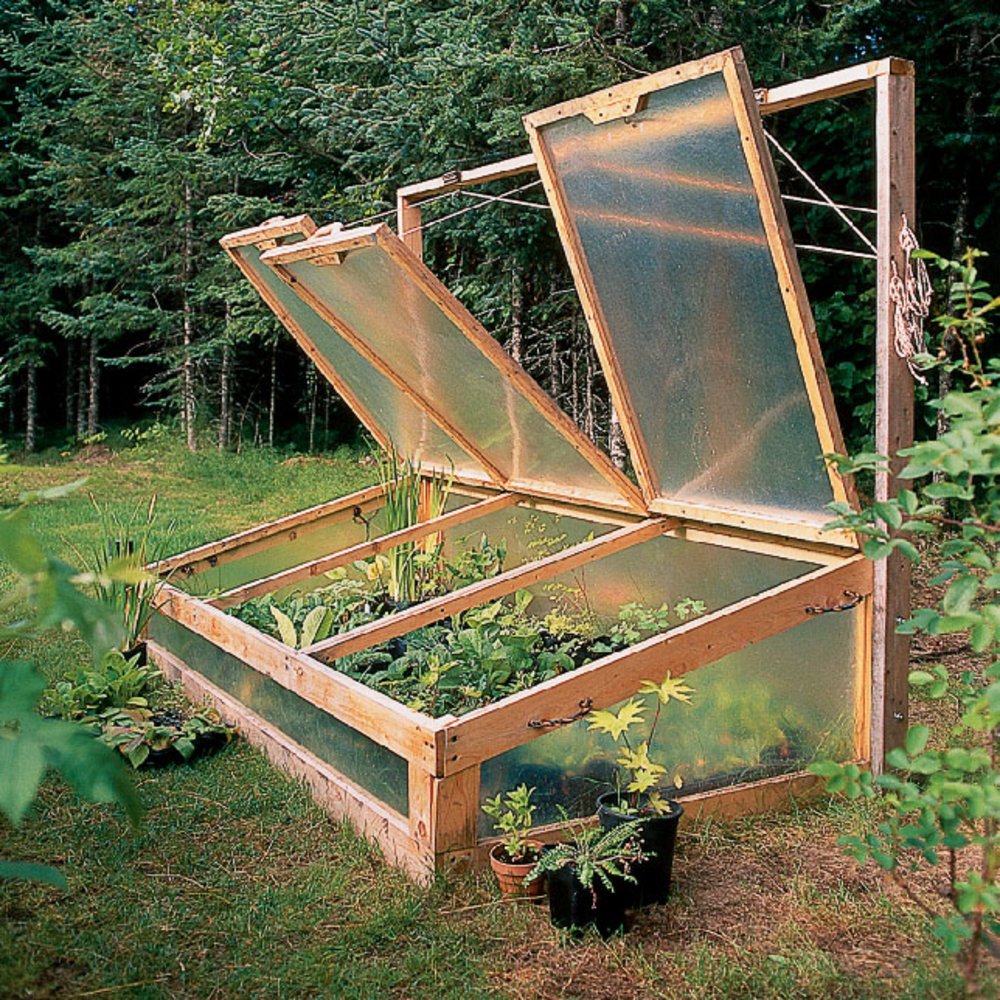
A cold frame is essentially a box with a transparent top, usually made of glass or plastic. This little structure traps the sun's warmth, creating a microclimate inside that's warmer than the surrounding air. It's perfect for starting seeds, hardening off seedlings (getting them used to outdoor conditions), and extending the growing season for cool-weather crops.

Why You Need a Cold Frame

Alright, so you're probably thinking, "Why bother with a cold frame?" Well, here's the deal: it's a gardener's best friend!

  • Early Start: Get a jump on the season! By starting seeds indoors and then transplanting them into the cold frame, you can get your plants growing weeks earlier than if you were to plant them directly in the garden.
  • Seedling Protection: Cold frames provide a shield against harsh winds and cold temperatures, making them perfect for delicate seedlings that are just getting started.
  • Extended Season: Keep your plants growing longer! Cold frames can help extend your harvest into the fall by providing a warm haven during cooler months.
  • More Options: You can even experiment with growing certain plants that might not thrive in your climate without a cold frame.

Choosing the Right Spot for Your Cold Frame

Before you get your hands dirty with building, you need to choose the ideal location for your cold frame. Here's what to keep in mind:

  • Sunshine: Look for a spot that receives at least 6 hours of sunlight per day, preferably more. You want to maximize the sun's warmth inside the frame.
  • Drainage: Make sure the spot is well-drained. You don't want your cold frame to become a soggy swamp, which can harm your plants.
  • Accessibility: Choose a spot that's convenient for you. You'll be visiting your cold frame regularly to check on your plants, water, and tend to them.

Cold Frame Construction: Let's Get Building!

Now that you've picked your spot, let's get down to business and build your cold frame!

Materials You'll Need

To build a basic cold frame, you'll need the following:

  • Wood: You can use treated lumber for the frame or even recycled wood for a more rustic look. You'll need planks for the sides and bottom, and additional pieces for support and bracing.
  • Glass or Plastic: You'll need something clear to cover the top of the frame and let in the sunlight. You can use glass panes, polycarbonate sheets, or even heavy-duty plastic.
  • Screws and Nails: For securing the wood pieces together.
  • Hinges: To allow you to open and close the top of the frame for access and ventilation.
  • Hardware Cloth: For covering the bottom of the frame to prevent weeds from growing up through the soil.
  • Potting Soil: This is what your plants will grow in.

Step-by-Step Instructions

Let's build!

  1. Construct the Base: Cut the wood to the desired size for your cold frame. Typically, a cold frame should be at least 3 feet wide and 4 feet long. Make sure the base is level. Secure the bottom and sides together using screws or nails.
  2. Build the Sides: Attach the side planks to the base, creating the walls of your cold frame. You'll need to create a slightly angled frame so that the top can be opened.
  3. Add a Lid: Create a separate frame for the lid, using wood and hinges. This will be the cover of your cold frame.
  4. Attach the Cover: Secure the cover to the cold frame with hinges. You want to ensure that it opens smoothly and securely.
  5. Install Hardware Cloth: Staple or nail hardware cloth to the bottom of the frame, creating a barrier against weeds.
  6. Add the Glass or Plastic: You can secure your glass or plastic to the lid using wood strips, or even just using a frame that you attach to the lid.
  7. Set Up and Fill: Place the cold frame in your chosen location. Add a layer of potting soil to a depth of at least 6 inches.

Using Your Cold Frame

Now that your cold frame is built, let's put it to work!

Starting Seeds

Fill your cold frame with potting mix. Sow seeds directly into the soil or use individual seed trays placed inside the frame. Keep the soil consistently moist, and give your seedlings plenty of light.

Hardening Off Seedlings

Once your seedlings have grown strong enough, you'll need to slowly acclimate them to outdoor conditions, a process called hardening off. Gradually expose them to more time in the cold frame, increasing the amount of time they spend outside each day.

Extending the Season

Plant cool-weather crops like lettuce, spinach, kale, and radishes in your cold frame during the cooler months. You can also start fall-planted crops like garlic and onions.

Ventilation and Maintenance

It's important to provide adequate ventilation to your cold frame. On warm days, open the lid to allow excess heat to escape. Remove any dead leaves or weeds that may appear, and ensure that the soil remains moist but not waterlogged.

Cold Frame Variations: Get Creative!

Don't be afraid to get creative with your cold frame design! You can adapt it to your specific needs and resources.

  • Wall-Mounted: You can build a cold frame against a wall to create a more compact design.
  • Miniature: Use smaller pieces of wood to create a miniature cold frame perfect for starting a few plants.
  • Reusable Materials: Look for repurposed materials like old windows or even plastic bottles to build your cold frame.

Get Growing!

There you have it â€" a step-by-step guide to building and using a cold frame. It's a fantastic way to extend your gardening season, get a jump on spring planting, and even save money on your grocery bill. So, get out there, build your cold frame, and get growing! Happy gardening!

Step-by-step guide to building your own grill gazebo

Step-by-step guide to building your own grill gazebo

Craft Your Own Grill Gazebo: A Step-by-Step Guide

Imagine this: a sunny afternoon, the aroma of sizzling burgers filling the air, and you, the master chef, surrounded by friends and family under a stylish gazebo. This dream can be your reality with a little DIY spirit and this comprehensive guide. Building your own grill gazebo isn't as daunting as it might seem. By following these step-by-step instructions, you'll create a functional and stylish addition to your backyard, perfect for hosting unforgettable gatherings. Let's get started!

Phase 1: The Foundation - Designing Your Dream Gazebo

The first step is to envision your perfect grill gazebo. What size do you need? What materials will you use? Will it have a roof, or will it be open-air? Take measurements of your grill and the desired space around it to determine the ideal dimensions for your gazebo. Remember, consider the surrounding landscaping and the overall aesthetic of your backyard.

Choosing the Right Materials

The materials you select will dictate the durability and style of your gazebo. Popular choices include:

  • Wood: Offers warmth and a classic look. Cedar and Redwood are excellent choices for their natural resistance to rot and insects.
  • Metal: Durable, long-lasting, and comes in various styles, from sleek aluminum to rustic iron.
  • Vinyl: Low-maintenance and weather-resistant, ideal for those seeking minimal upkeep.

Phase 2: Building the Frame - The Backbone of Your Gazebo

With your design finalized and materials chosen, it's time to build the frame. This is the foundation of your gazebo, so take your time and ensure each cut is accurate.

Preparing the Posts

Start by cutting the posts to the desired height. Use a level to ensure they are perfectly vertical. If you're building on a concrete base, use post anchors for stability. If using a wooden base, secure the posts with lag screws.

Constructing the Roof

The roof design is crucial for both aesthetics and functionality. If you're opting for a solid roof, use pre-cut beams and rafters. For a more open-air feel, consider a lattice or pergola design. Secure the roof structure to the posts with strong screws or bolts.

Adding the Walls

If you're creating enclosed walls, use your chosen material and secure it to the frame with screws or nails. For an open-air design, you can use decorative lattice panels or leave the sides open.

Phase 3: Finishing Touches - The Finishing Touches

With the frame complete, it's time to add the finishing touches that will transform your gazebo into a true centerpiece.

Roofing Material

Select your desired roofing material. Options include:

  • Shingles: Traditional and readily available, offering good protection.
  • Metal roofing: Durable and low-maintenance, perfect for a modern look.
  • Canvas: A more rustic choice, perfect for a breezy summer feel.

Adding a Floor

A floor adds a touch of elegance and makes the gazebo more comfortable. Choose from concrete, pavers, or even wood decking, depending on your preference and budget.

Decorative Elements

Personalize your gazebo with decorative touches. Add lighting fixtures, hanging plants, or a colorful rug for a cozy ambiance.

Safety First: Always Remember

Safety should be a top priority during construction. Always wear safety glasses, gloves, and appropriate footwear. Use caution when handling power tools and ensure your work area is free of obstacles. Follow manufacturer's instructions carefully for all materials and tools.

Enjoy Your New Grill Gazebo

Congratulations! You've successfully built your own grill gazebo. Now it's time to celebrate with friends and family, creating memories under the sun and stars. Your new outdoor haven is ready to host unforgettable barbecues and gatherings for years to come.

Step-by-Step Squirrel Den Box Plans for Beginners

Step-by-Step Squirrel Den Box Plans for Beginners

Building a Squirrel Den Box: A Beginner's Guide to Wildlife Habitat

Hey there, nature lovers! Ever wondered how to make a cozy little home for our furry, bushy-tailed friends, the squirrels? Building a squirrel den box is a fantastic way to attract these playful critters to your backyard, providing them with a safe haven while offering you the joy of watching their antics. This step-by-step guide is designed to help even the most novice DIYer create a squirrel-approved den box that’s as easy on the eyes as it is on the wallet.

Choosing the Right Materials

Before you start hammering and sawing, let's gather the materials. You'll need:

  • Wood: Use durable, weather-resistant wood like cedar, redwood, or pressure-treated pine. Avoid using treated lumber if the squirrels might chew on it, as the chemicals could be harmful.
  • Screws: Choose screws that are long enough to penetrate both pieces of wood being joined. For added strength, use screws that are at least 2 inches long.
  • Saw: A circular saw, jigsaw, or hand saw is ideal for cutting the wood to size.
  • Drill: You'll need a drill to make pilot holes for the screws, preventing the wood from splitting.
  • Measuring tape: Accuracy is key in woodworking, so keep a handy tape measure close by.
  • Level: Ensure your den box is level to prevent it from tilting and provide a stable base.
  • Safety gear: Always wear safety glasses and gloves to protect yourself from wood splinters and flying debris.

Designing Your Squirrel Den Box

Now that you’ve got your tools and materials, let’s talk about designing your den box. There’s no one-size-fits-all approach here, but here’s a basic design to get you started:

Dimensions:

  • Height: Around 12-18 inches.
  • Width: About 10-12 inches.
  • Depth: About 8-10 inches.

The Entrance Hole:

  • Size: Aim for a circular opening about 3-4 inches in diameter. This size is just right for most squirrel species.
  • Placement: The entrance hole should be located on one of the longer sides of the box, about 4-5 inches from the bottom.
  • Ventilation: You can add a second smaller entrance hole on the opposite side to allow for good airflow.

The Roof:

  • Overhang: To keep the interior dry, design the roof with a slight overhang, about 2-3 inches, around the perimeter.
  • Attachment: Secure the roof to the box using hinges, allowing for easy access to clean the den box when necessary.

Building Your Squirrel Den Box: Step by Step

Now, let's get our hands dirty!

Step 1: Cut the Wood

Using your saw, cut the wood according to your chosen dimensions. You'll need six pieces for the basic box:

  • Two side pieces
  • Two end pieces
  • One base piece
  • One roof piece

Step 2: Assemble the Box

Align the pieces carefully and screw them together using your drill and screws.

Step 3: Cut the Entrance Hole

Using your saw, carefully cut the entrance hole in one of the side pieces. Make sure the hole is smooth and free of any rough edges.

Step 4: Add a Second Entrance Hole (Optional)

If you choose to include a second entrance hole for ventilation, cut a smaller hole (about 2 inches in diameter) on the opposite side of the box.

Step 5: Attach the Roof

Secure the roof to the box using hinges. Make sure the roof has a slight overhang to protect the interior from rain.

Step 6: Secure the Roof

Using screws, attach the roof to the box using hinges. You can also add a latch or hook to keep the roof securely closed.

Step 7: Sand and Finish (Optional)

Sand the den box to smooth out any rough edges. You can stain or paint the box, but choose non-toxic options that are safe for squirrels.

Choosing the Perfect Location for Your Squirrel Den Box

Now that your squirrel den box is built, let's find it a nice spot in your backyard! Here are some things to keep in mind:

  • Height: Place the den box at least 6 feet off the ground to protect it from predators.
  • Protection: Find a spot where the den box will be shaded from direct sunlight and protected from harsh winds.
  • Food Sources: Position the box near trees or shrubs that provide squirrels with food and a place to hide.
  • Accessibility: Make sure the box is easy for squirrels to access. Ideally, there should be some branches or a nearby tree that they can use to reach the entrance.

Encouraging Your New Residents

You've built a beautiful home, and now it's time to make it irresistible to squirrels!

  • Food: Place a few sunflower seeds or other squirrel-friendly treats near the den box to entice them.
  • Patience: It may take a few weeks for squirrels to discover their new home. Be patient, they will eventually find it!
  • Observation: Once squirrels start using the den box, enjoy watching their charming antics from a safe distance.

Caring for Your Squirrel Den Box

Once your squirrel den box is in place, keep it clean and in good shape. Here’s how:

  • Clean Regularly: Inspect the den box every few months and clean it thoroughly with a mild soap solution. Remove any debris or nesting materials.
  • Repairs: Check for any signs of wear and tear, such as loose screws, cracks, or rotting wood, and make repairs as needed.
  • Relocation: If squirrels haven't occupied the den box after a few months, consider moving it to a different location.

Building a squirrel den box is a fun and rewarding project. It not only provides a cozy home for these adorable creatures but also helps support local wildlife populations. With this guide, you'll be well on your way to creating a haven for squirrels and enjoying their delightful presence in your backyard. Happy building, and remember, always be mindful of wildlife safety and respect their space.

How to design and make a wooden clock thatÂ’s unique

How to design and make a wooden clock that’s unique

Designing and Crafting a Unique Wooden Clock

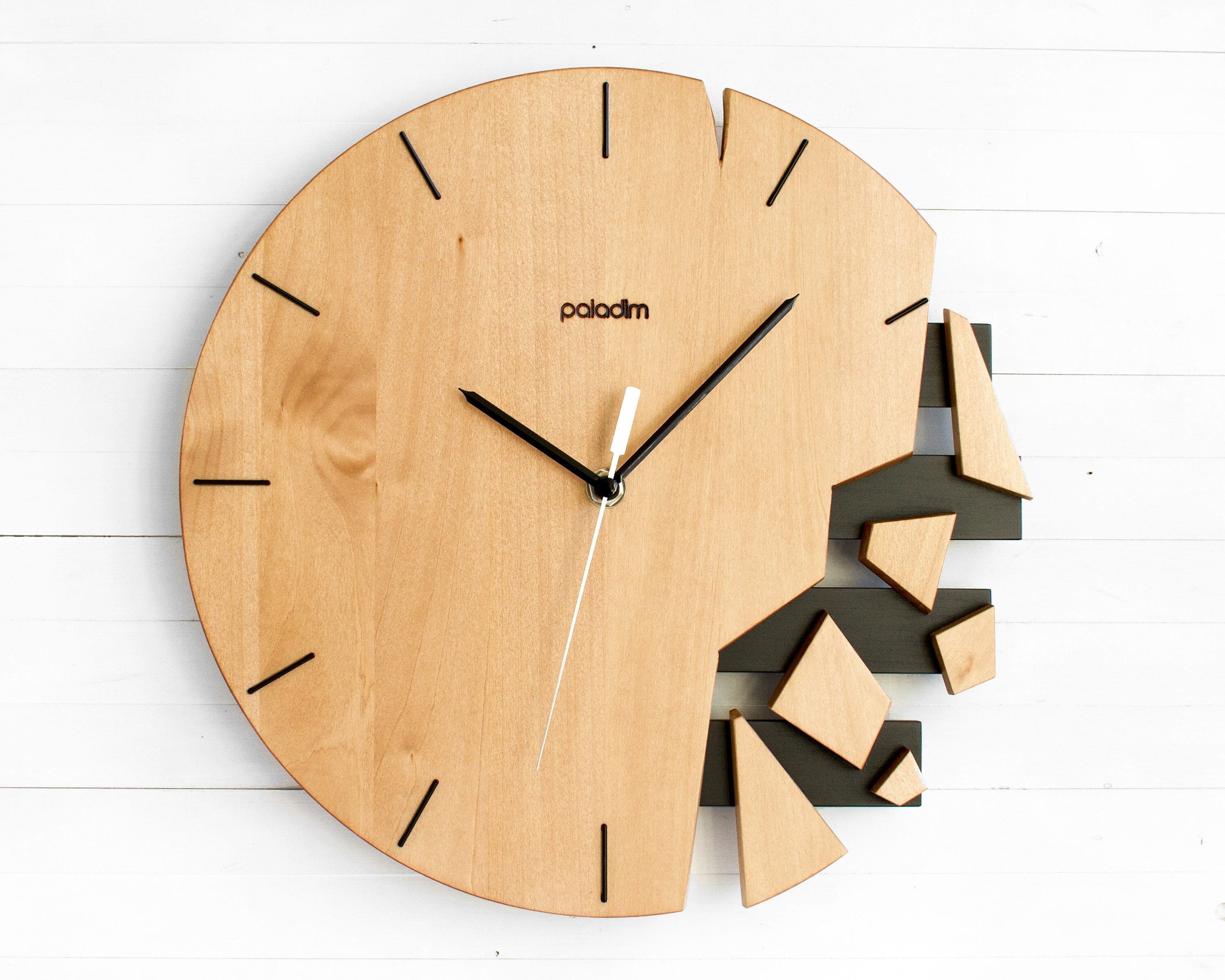
Beyond its practical function of telling time, a clock can be a beautiful and expressive piece of art. A wooden clock, especially, offers a warm and natural aesthetic that can complement any décor. If you’re looking to create a unique timepiece that reflects your personal style, this guide will walk you through the process of designing and making your own wooden clock.

I. Conceptualizing Your Design

The first step in making a unique wooden clock is to develop a clear concept. This involves considering the following factors:

1. Style and Aesthetics:

  • Shape and Form: Will your clock be round, square, rectangular, or have an unconventional shape? Consider how the shape will interact with the overall design.
  • Wood Species: Explore different wood types based on their grain patterns, color, and durability. Popular choices include walnut, cherry, maple, and oak.
  • Surface Finish: Will you leave the natural wood finish or apply a stain, paint, or varnish? The finish will influence the overall look and feel of the clock.
  • Decorative Elements: Think about adding unique touches like inlays, carvings, metal accents, or other embellishments to personalize your clock.

2. Clock Mechanism:

  • Quartz Movement: This is the most common and affordable type, offering reliable accuracy and quiet operation.
  • Mechanical Movement: If you’re seeking a more traditional and intricate experience, a mechanical movement can be a rewarding choice. However, it requires more maintenance and may be more expensive.
  • Clock Hands: Select hands that complement the style and size of your clock. Metal hands are often preferred for their durability and elegant appearance.

3. Functionality and Size:

  • Readability: Ensure that the clock face is easy to read, especially from a distance. Choose appropriate font sizes and contrasting colors for numbers and markings.
  • Size: Consider the intended location of the clock and choose a size that is visually appealing and proportionate to the surrounding space.

II. Preparing the Materials and Tools

Once you have a design in mind, gather the necessary materials and tools:

1. Wood:

  • Select a quality piece of wood that is free of knots, cracks, or other defects.
  • Measure and cut the wood to the desired dimensions for your clock base.

2. Clock Movement and Hands:

  • Choose a clock movement that fits your design and aesthetic.
  • Consider the length of the hands to ensure proper visibility on the clock face.

3. Other Materials:

  • Clock Face Material: You can use wood for the clock face, or opt for a contrasting material like metal or acrylic.
  • Adhesive: Choose a strong adhesive suitable for bonding wood and your chosen clock face material.
  • Finishing Supplies: Depending on your desired finish, you may need wood stain, paint, varnish, sanding supplies, and protective coatings.

4. Tools:

  • Saw: Use a circular saw or jigsaw to cut the wood to the desired dimensions.
  • Sandpaper: Use various grits of sandpaper to smooth the wood surfaces and prepare them for finishing.
  • Drilling Tools: Drill a pilot hole for the clock movement and create any necessary holes for decorative elements.
  • Measuring Tools: Rulers, tape measure, protractor, and a pencil will help you accurately measure and mark your wood.
  • Clamps: Clamps will help hold the wood pieces together while you glue them.
  • Other Tools: Depending on your design, you may need carving tools, inlaying tools, or other specialized tools.

III. Assembling the Clock

Now it’s time to bring your design to life:

1. Cutting and Shaping the Wood:

  • Cut the wood to the desired shape and size using a saw.
  • Sand the edges and surfaces smooth.
  • If you’re creating a unique shape, use tools like a router or chisel to carve and shape the wood.

2. Creating the Clock Face:

  • Cut the clock face material to the desired size and shape.
  • If you are using wood for the clock face, consider staining, painting, or varnishing it to create visual contrast.
  • If you are using another material, ensure it is suitable for attaching to the clock base.
  • Add the clock face markings using a compass, stencil, or hand-drawing techniques.
  • Apply any necessary decorative elements to the clock face.

3. Attaching the Clock Movement:

  • Drill a hole in the center of the clock base to accommodate the clock movement.
  • Securely attach the clock movement to the base using appropriate screws or nuts.
  • Attach the clock hands to the movement shaft.

4. Assembling the Clock Base:

  • If you’re creating a multi-part clock base, carefully glue the pieces together using a strong wood glue.
  • Use clamps to ensure a tight and secure bond while the glue dries.

5. Finishing the Clock:

  • Sand the entire clock surface smooth to prepare it for finishing.
  • Apply any desired stains, paints, or varnishes.
  • Allow the finish to dry completely before handling the clock.

IV. Adding Personal Touches

To truly make your clock unique, consider incorporating personal touches:

1. Carvings and Inlays:

  • Carve intricate patterns or designs into the wood to add texture and visual interest.
  • Use inlays to create contrasting patterns or designs by embedding different wood species or other materials into the surface.

2. Metal Accents:

  • Incorporate metal elements such as brass, copper, or steel to add a touch of elegance and contrast.
  • These accents can be used for clock hands, decorative elements, or even the clock base itself.

3. Personalized Details:

  • Engrave the clock face with a special message, date, or initials.
  • Incorporate elements that reflect your interests or hobbies into the design.

V. Finalizing and Displaying Your Clock

Once your clock is complete, take a moment to admire your craftsmanship and personalize it further:

1. Protective Coating:

  • Apply a protective coating, such as a sealant or varnish, to safeguard the wood and enhance its durability.
  • Choose a coating that complements the finish and protects the clock from scratches, moisture, and UV damage.

2. Clock Hands and Movement Adjustment:

  • Ensure that the clock hands are properly installed and move smoothly.
  • Set the time accurately and adjust the movement to ensure it runs properly.

3. Displaying Your Clock:

  • Select a prominent location in your home or workspace where your clock will be admired.
  • Use a wall mount, stand, or shelf to display your clock.

Creating a unique wooden clock is a rewarding and fulfilling project. By following these steps, you can design and craft a beautiful and personal timepiece that will be cherished for years to come.

Simple DIY Guide to Making a Squirrel Den Box

Simple DIY Guide to Making a Squirrel Den Box

A Comprehensive Guide to Crafting a Squirrel Den Box

Enriching your backyard ecosystem with the presence of playful squirrels is a rewarding endeavor. Providing these energetic creatures with a safe and comfortable haven is crucial for their well-being. Constructing a squirrel den box, a custom-made dwelling tailored to their needs, is a simple and satisfying DIY project. This guide will equip you with the essential knowledge and step-by-step instructions to build a den box that will attract squirrels to your garden, offering them shelter, warmth, and a place to raise their young.

Materials and Tools

Before embarking on your construction journey, gather the necessary materials and tools. A well-stocked toolbox will make the process seamless.

Materials:

  • Wood: Select weather-resistant wood like cedar, redwood, or pressure-treated pine. Avoid using plywood as it may deteriorate quickly.
  • Screws: Use galvanized or stainless steel screws for long-lasting durability.
  • Wood glue:
  • Roofing shingles or metal flashing:
  • Paint or stain (optional):
  • Hardware cloth:
  • Entrance tube (optional):

Tools:

  • Circular saw or hand saw:
  • Drill with drill bits:
  • Measuring tape:
  • Level:
  • Screwdriver or drill driver:
  • Hammer:
  • Safety glasses:
  • Work gloves:

Design and Dimensions

The design of your squirrel den box is entirely up to you. A basic rectangular design is easy to construct and provides ample space for a family of squirrels. Consider these dimensions as a starting point:

  • Height: 12-16 inches
  • Width: 12-16 inches
  • Depth: 10-12 inches
  • Entrance hole: 3-4 inches in diameter
  • Entrance tube: 4-6 inches long (optional)

Construction Steps

1. Cut the Wood:

  • Using your circular saw or hand saw, cut the wood to the desired dimensions for the sides, bottom, roof, and back.
  • For the front, cut a piece of wood for the main panel and a separate smaller piece for the entrance hole.

2. Assemble the Box:

  • Create a rectangular base by joining the four sides with screws and wood glue.
  • Attach the bottom panel to the base using screws and glue.
  • If using an entrance tube, drill a hole in the front panel slightly larger than the tube diameter.
  • Attach the entrance tube to the front panel using screws or glue.

3. Install the Front Panel:

  • Cut the entrance hole into the main front panel.
  • Secure the front panel to the box, ensuring the entrance hole is aligned with the entrance tube (if using one).

4. Attach the Back Panel:

  • Attach the back panel to the sides using screws and glue.

5. Add Roofing and Ventilation:

  • Cut the roof to size and attach it to the box with screws and glue.
  • For increased weather protection, cover the roof with roofing shingles or metal flashing.
  • To ensure proper ventilation, drill a few small holes in the roof or sides of the box.

6. Install Hardware Cloth:

  • To prevent predators from accessing the den, cover the entrance hole with hardware cloth. Cut a piece slightly larger than the hole and attach it to the front panel using screws or staples.

7. Finish and Placement:

  • Optionally, paint or stain the box to match your surroundings and protect it from the elements.
  • Select a suitable location for the den box. Choose a spot that offers protection from direct sunlight and rainfall, and ensure it's near trees for easy access.
  • Mount the den box at least 8-10 feet above the ground on a sturdy tree branch or post.

Tips for Attracting Squirrels

Creating a hospitable environment will encourage squirrels to call your den box home. Consider these tips:

  • Provide a food source: Offer a variety of nuts, seeds, and fruits. Avoid processed foods and stick to natural options.
  • Offer water: Place a shallow dish of fresh water near the den box.
  • Maintain a safe space: Ensure the surrounding area is free of potential hazards like pesticides or poisons.
  • Keep it clean: Regularly inspect the den box and clean it as needed. Remove any droppings or debris.
  • Patience is key: It may take time for squirrels to discover and move into the den box. Don't be discouraged if it remains unoccupied for a while.

Conclusion

By following this comprehensive guide, you can construct a squirrel den box that will provide these charming creatures with a safe and welcoming abode. Building a den box is not only a rewarding project but also a wonderful way to support local wildlife and enjoy the company of these playful and energetic animals. Remember to prioritize the safety and well-being of the squirrels throughout the construction process and consider the overall health of your backyard ecosystem.

Complete guide to crafting a wooden clock by hand

Complete guide to crafting a wooden clock by hand

The Ultimate Guide to Crafting a Wooden Clock by Hand

Hey there, fellow woodworkers! Are you ready to embark on a journey that combines the timeless beauty of wood with the precision of clockwork? Then buckle up, because we're about to dive into the fascinating world of crafting a wooden clock entirely by hand. This isn't just about building a timepiece; it's about creating a unique work of art that tells a story â€" your story.

Don't be intimidated by the thought of building a clock from scratch. With a little patience, some basic woodworking skills, and a whole lot of passion, you can bring your vision to life. I'm here to guide you every step of the way, from selecting the perfect wood to setting the final hand. So grab your tools, put on your woodworking apron, and let's get started!

Choosing the Right Wood

The first step in this adventure is selecting the right wood. It's like choosing the perfect canvas for your masterpiece. The wood you choose will not only affect the clock's appearance but also its durability and longevity.

Here are some of the best choices for your wooden clock:

  • Hardwoods: Oak, cherry, walnut, maple â€" these woods are known for their strength, durability, and beautiful grain patterns. They're perfect for creating classic, elegant clocks that will last for generations.
  • Softwoods: Pine, cedar, redwood â€" these woods offer a softer, more rustic look. They're easier to work with and can create charming, vintage-inspired clocks.
  • Exotic Woods: Rosewood, zebrawood, ebony â€" if you're going for a truly unique look, consider using exotic woods. They're known for their stunning colors and intricate patterns, adding a touch of luxury to your clock.

When choosing your wood, consider the overall design of your clock. Do you want it to be simple and minimalist or elaborate and ornate? Think about the color, grain, and texture you want to achieve. And of course, don't forget to factor in your budget. Exotic woods can be quite pricey!

Designing Your Clock

Now that you've chosen your wood, it's time to get creative and design your clock. This is where you can let your imagination run wild! There are countless possibilities when it comes to clock designs. Here are some ideas to get you started:

  • Simple and Modern: A minimalist clock with clean lines and a focus on the wood's natural beauty.
  • Rustic and Farmhouse: A clock with a distressed finish, reclaimed wood, and vintage details.
  • Geometric and Contemporary: A clock with bold shapes and geometric patterns.
  • Intricate and Ornate: A clock with intricate carvings, scrollwork, and decorative elements.

Don't be afraid to experiment and combine different design elements. Use sketches, blueprints, or even 3D modeling software to visualize your ideas and refine your design before you start cutting wood. Remember, the key is to create a design that you're passionate about and that reflects your personal style.

The Clock Mechanism: The Heart of Your Timepiece

The clock mechanism is the beating heart of your creation. It's what brings your design to life. There are a few different types of clock mechanisms available, each with its own pros and cons:

  • Quartz Movements: These are the most common and affordable type of clock movement. They're battery-powered and known for their accuracy and quiet operation.
  • Mechanical Movements: These movements are powered by a spring and are often found in high-quality, handcrafted clocks. They offer a more traditional feel and a distinctive ticking sound. However, they require more maintenance and can be more expensive than quartz movements.
  • Pendulum Movements: These movements feature a swinging pendulum that regulates the clock's timing. They're known for their elegance and precision.

When choosing a clock movement, consider the design and style of your clock, as well as your desired level of accuracy and maintenance. Make sure to carefully measure the dimensions of your clock face and choose a movement that will fit properly.

Building the Clock Face

With your design and clock movement ready, it's time to start building the clock face. This is where your woodworking skills will be put to the test.

Here are the steps involved in creating the clock face:

1. Cut the Clock Face

Using your design as a guide, carefully cut out the circular shape of the clock face from your chosen wood. You can use a jigsaw, a band saw, or a scroll saw for this step. Remember to leave some extra material around the edges for finishing later.

2. Sand the Clock Face

Sand the clock face using progressively finer sandpaper until it is smooth and free of any imperfections. This will create a polished surface for the clock movement and hands.

3. Create the Numbers

There are several ways to create the numbers on your clock face. You can:

  • Carve them by hand: This requires a steady hand and some carving experience.
  • Use a router: A router can be used to create raised or recessed numbers.
  • Use a CNC machine: A CNC machine can be used to precisely cut numbers with intricate designs.
  • Use stencils: Stencils allow you to easily transfer numbers to the clock face.
  • Use adhesive numerals: These are available in various materials and styles and can be easily applied to the clock face.

Choose a method that suits your skills and the overall design of your clock. Don't be afraid to experiment and use different techniques to add your own unique touch.

Assembling the Clock

Now that you've created the clock face, it's time to assemble the entire clock. This involves attaching the clock movement, hands, and any other decorative elements.

Here are the general steps:

1. Install the Clock Movement

Follow the manufacturer's instructions for installing the clock movement to the clock face. You may need to drill holes or use screws to secure the movement. Be careful not to damage the clock face or movement during installation.

2. Install the Clock Hands

Attach the clock hands to the clock movement. The hour hand is usually the shorter hand, and the minute hand is longer. Carefully push the hands onto the appropriate spindles.

3. Attach Any Decorative Elements

If you're adding any decorative elements to your clock, such as a frame, trim, or a pendulum, attach them now. Use wood glue, screws, or nails, depending on the materials you're using and the design of your clock.

Finishing Touches

Your clock is almost complete, but it needs those finishing touches to really make it shine. Here's what you can do:

1. Apply a Finish

A finish will protect the wood and enhance its natural beauty. You can choose from a variety of finishes, including:

  • Oil finishes: These penetrate the wood and enhance its natural grain.
  • Polyurethane finishes: These offer a durable, protective coating that can withstand moisture and abrasion.
  • Varnish finishes: These provide a high-gloss, protective coating that enhances the wood's natural color.

Choose a finish that suits the style of your clock and the desired level of protection.

2. Add a Clock Hand

A clock hand can be a simple touch, but it can make all the difference in the overall design. Choose a clock hand that complements the style of your clock and that is the right size for the clock face.

3. Personalize Your Clock

Make your clock truly unique by adding a personal touch. You can:

  • Engrave your name or a special message on the back of the clock.
  • Incorporate decorative elements that reflect your hobbies or interests.
  • Add a custom clock face with a special design or image.

Setting the Time

Congratulations! Your wooden clock is ready to tell the time. Setting the time on a hand-crafted clock is a special experience. Here's how to do it:

1. **Find the crown:** Look for a small knob or button on the side of the clock movement. This is the crown.

2. **Pull out the crown:** Carefully pull out the crown to the first position.

3. **Set the time:** Turn the crown to set the time on the clock face.

4. **Push in the crown:** Gently push the crown back into its original position.

Enjoying Your Hand-Crafted Wooden Clock

There you have it! You've successfully built a beautiful, functional wooden clock from scratch. Now you can proudly display your masterpiece and enjoy the satisfaction of having created something truly unique.

Remember, this is just a guide. Feel free to experiment and personalize your clock to reflect your unique style. And don't be afraid to make mistakes â€" they're part of the learning process! With a little patience, creativity, and a passion for woodworking, you can create a timepiece that will be treasured for years to come.

Search This Blog

Powered by Blogger.