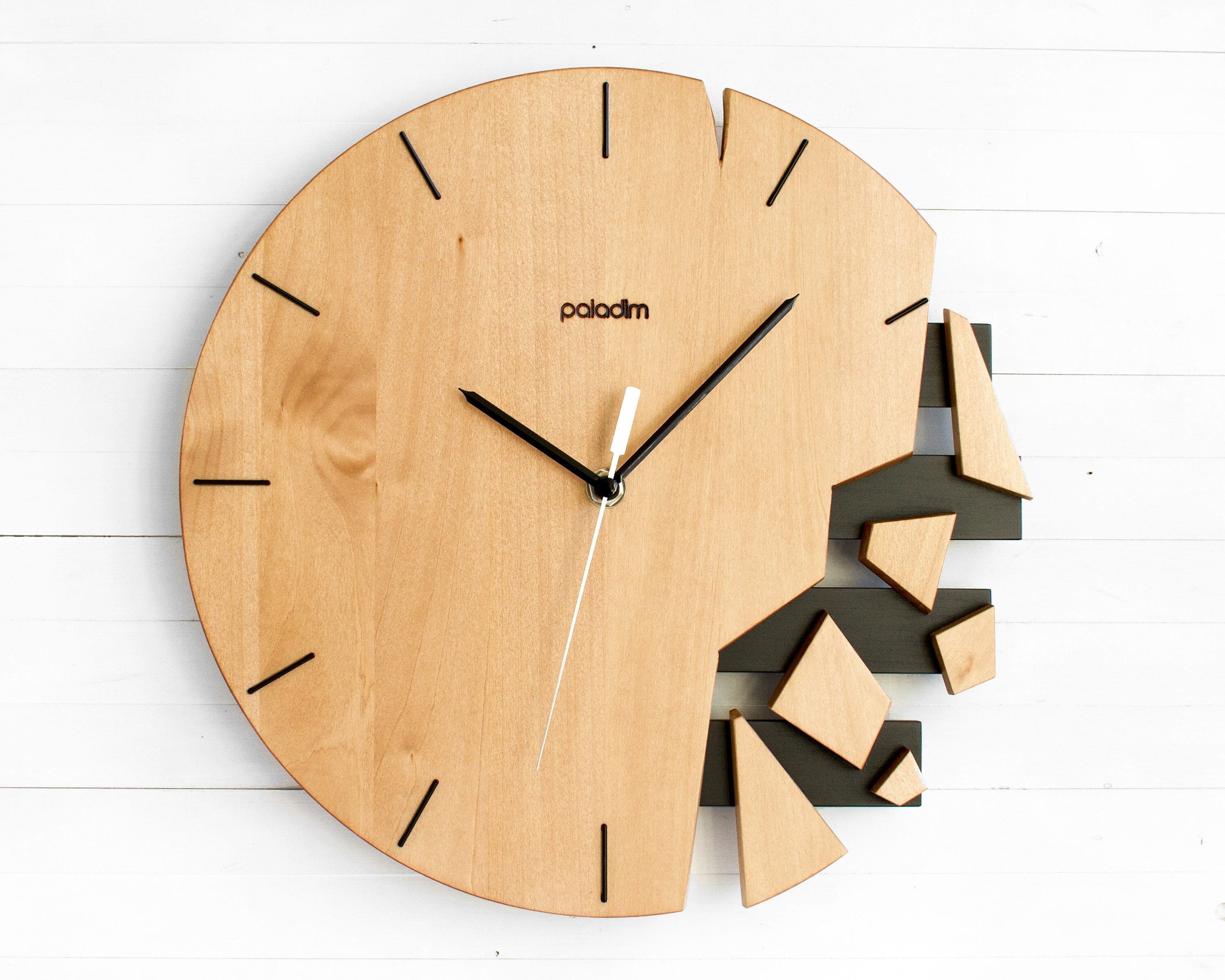
Designing and Crafting a Unique Wooden Clock
Beyond its practical function of telling time, a clock can be a beautiful and expressive piece of art. A wooden clock, especially, offers a warm and natural aesthetic that can complement any décor. If you’re looking to create a unique timepiece that reflects your personal style, this guide will walk you through the process of designing and making your own wooden clock.
I. Conceptualizing Your Design
The first step in making a unique wooden clock is to develop a clear concept. This involves considering the following factors:
1. Style and Aesthetics:
- Shape and Form: Will your clock be round, square, rectangular, or have an unconventional shape? Consider how the shape will interact with the overall design.
- Wood Species: Explore different wood types based on their grain patterns, color, and durability. Popular choices include walnut, cherry, maple, and oak.
- Surface Finish: Will you leave the natural wood finish or apply a stain, paint, or varnish? The finish will influence the overall look and feel of the clock.
- Decorative Elements: Think about adding unique touches like inlays, carvings, metal accents, or other embellishments to personalize your clock.
2. Clock Mechanism:
- Quartz Movement: This is the most common and affordable type, offering reliable accuracy and quiet operation.
- Mechanical Movement: If you’re seeking a more traditional and intricate experience, a mechanical movement can be a rewarding choice. However, it requires more maintenance and may be more expensive.
- Clock Hands: Select hands that complement the style and size of your clock. Metal hands are often preferred for their durability and elegant appearance.
3. Functionality and Size:
- Readability: Ensure that the clock face is easy to read, especially from a distance. Choose appropriate font sizes and contrasting colors for numbers and markings.
- Size: Consider the intended location of the clock and choose a size that is visually appealing and proportionate to the surrounding space.
II. Preparing the Materials and Tools
Once you have a design in mind, gather the necessary materials and tools:
1. Wood:
- Select a quality piece of wood that is free of knots, cracks, or other defects.
- Measure and cut the wood to the desired dimensions for your clock base.
2. Clock Movement and Hands:
- Choose a clock movement that fits your design and aesthetic.
- Consider the length of the hands to ensure proper visibility on the clock face.
3. Other Materials:
- Clock Face Material: You can use wood for the clock face, or opt for a contrasting material like metal or acrylic.
- Adhesive: Choose a strong adhesive suitable for bonding wood and your chosen clock face material.
- Finishing Supplies: Depending on your desired finish, you may need wood stain, paint, varnish, sanding supplies, and protective coatings.
4. Tools:
- Saw: Use a circular saw or jigsaw to cut the wood to the desired dimensions.
- Sandpaper: Use various grits of sandpaper to smooth the wood surfaces and prepare them for finishing.
- Drilling Tools: Drill a pilot hole for the clock movement and create any necessary holes for decorative elements.
- Measuring Tools: Rulers, tape measure, protractor, and a pencil will help you accurately measure and mark your wood.
- Clamps: Clamps will help hold the wood pieces together while you glue them.
- Other Tools: Depending on your design, you may need carving tools, inlaying tools, or other specialized tools.
III. Assembling the Clock
Now it’s time to bring your design to life:
1. Cutting and Shaping the Wood:
- Cut the wood to the desired shape and size using a saw.
- Sand the edges and surfaces smooth.
- If you’re creating a unique shape, use tools like a router or chisel to carve and shape the wood.
2. Creating the Clock Face:
- Cut the clock face material to the desired size and shape.
- If you are using wood for the clock face, consider staining, painting, or varnishing it to create visual contrast.
- If you are using another material, ensure it is suitable for attaching to the clock base.
- Add the clock face markings using a compass, stencil, or hand-drawing techniques.
- Apply any necessary decorative elements to the clock face.
3. Attaching the Clock Movement:
- Drill a hole in the center of the clock base to accommodate the clock movement.
- Securely attach the clock movement to the base using appropriate screws or nuts.
- Attach the clock hands to the movement shaft.
4. Assembling the Clock Base:
- If you’re creating a multi-part clock base, carefully glue the pieces together using a strong wood glue.
- Use clamps to ensure a tight and secure bond while the glue dries.
5. Finishing the Clock:
- Sand the entire clock surface smooth to prepare it for finishing.
- Apply any desired stains, paints, or varnishes.
- Allow the finish to dry completely before handling the clock.
IV. Adding Personal Touches
To truly make your clock unique, consider incorporating personal touches:
1. Carvings and Inlays:
- Carve intricate patterns or designs into the wood to add texture and visual interest.
- Use inlays to create contrasting patterns or designs by embedding different wood species or other materials into the surface.
2. Metal Accents:
- Incorporate metal elements such as brass, copper, or steel to add a touch of elegance and contrast.
- These accents can be used for clock hands, decorative elements, or even the clock base itself.
3. Personalized Details:
- Engrave the clock face with a special message, date, or initials.
- Incorporate elements that reflect your interests or hobbies into the design.
V. Finalizing and Displaying Your Clock
Once your clock is complete, take a moment to admire your craftsmanship and personalize it further:
1. Protective Coating:
- Apply a protective coating, such as a sealant or varnish, to safeguard the wood and enhance its durability.
- Choose a coating that complements the finish and protects the clock from scratches, moisture, and UV damage.
2. Clock Hands and Movement Adjustment:
- Ensure that the clock hands are properly installed and move smoothly.
- Set the time accurately and adjust the movement to ensure it runs properly.
3. Displaying Your Clock:
- Select a prominent location in your home or workspace where your clock will be admired.
- Use a wall mount, stand, or shelf to display your clock.
Creating a unique wooden clock is a rewarding and fulfilling project. By following these steps, you can design and craft a beautiful and personal timepiece that will be cherished for years to come.
0 comments:
Post a Comment
Note: Only a member of this blog may post a comment.