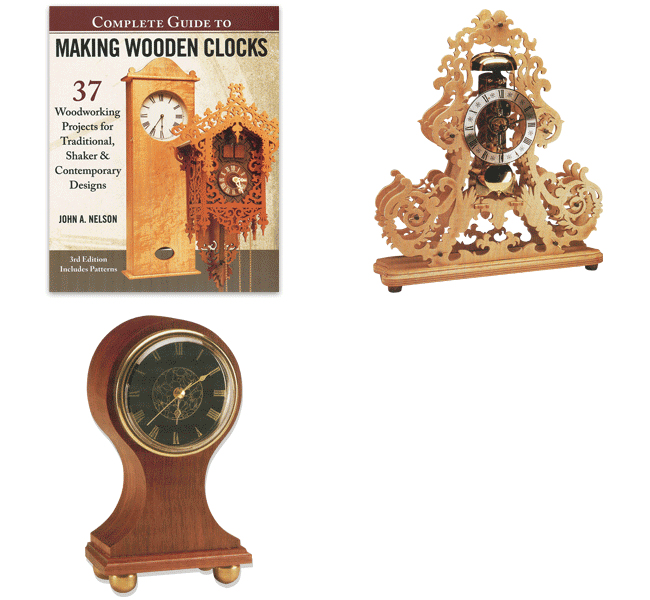
The Ultimate Guide to Crafting a Wooden Clock by Hand
Hey there, fellow woodworkers! Are you ready to embark on a journey that combines the timeless beauty of wood with the precision of clockwork? Then buckle up, because we're about to dive into the fascinating world of crafting a wooden clock entirely by hand. This isn't just about building a timepiece; it's about creating a unique work of art that tells a story â€" your story.
Don't be intimidated by the thought of building a clock from scratch. With a little patience, some basic woodworking skills, and a whole lot of passion, you can bring your vision to life. I'm here to guide you every step of the way, from selecting the perfect wood to setting the final hand. So grab your tools, put on your woodworking apron, and let's get started!
Choosing the Right Wood
The first step in this adventure is selecting the right wood. It's like choosing the perfect canvas for your masterpiece. The wood you choose will not only affect the clock's appearance but also its durability and longevity.
Here are some of the best choices for your wooden clock:
- Hardwoods: Oak, cherry, walnut, maple â€" these woods are known for their strength, durability, and beautiful grain patterns. They're perfect for creating classic, elegant clocks that will last for generations.
- Softwoods: Pine, cedar, redwood â€" these woods offer a softer, more rustic look. They're easier to work with and can create charming, vintage-inspired clocks.
- Exotic Woods: Rosewood, zebrawood, ebony â€" if you're going for a truly unique look, consider using exotic woods. They're known for their stunning colors and intricate patterns, adding a touch of luxury to your clock.
When choosing your wood, consider the overall design of your clock. Do you want it to be simple and minimalist or elaborate and ornate? Think about the color, grain, and texture you want to achieve. And of course, don't forget to factor in your budget. Exotic woods can be quite pricey!
Designing Your Clock
Now that you've chosen your wood, it's time to get creative and design your clock. This is where you can let your imagination run wild! There are countless possibilities when it comes to clock designs. Here are some ideas to get you started:
- Simple and Modern: A minimalist clock with clean lines and a focus on the wood's natural beauty.
- Rustic and Farmhouse: A clock with a distressed finish, reclaimed wood, and vintage details.
- Geometric and Contemporary: A clock with bold shapes and geometric patterns.
- Intricate and Ornate: A clock with intricate carvings, scrollwork, and decorative elements.
Don't be afraid to experiment and combine different design elements. Use sketches, blueprints, or even 3D modeling software to visualize your ideas and refine your design before you start cutting wood. Remember, the key is to create a design that you're passionate about and that reflects your personal style.
The Clock Mechanism: The Heart of Your Timepiece
The clock mechanism is the beating heart of your creation. It's what brings your design to life. There are a few different types of clock mechanisms available, each with its own pros and cons:
- Quartz Movements: These are the most common and affordable type of clock movement. They're battery-powered and known for their accuracy and quiet operation.
- Mechanical Movements: These movements are powered by a spring and are often found in high-quality, handcrafted clocks. They offer a more traditional feel and a distinctive ticking sound. However, they require more maintenance and can be more expensive than quartz movements.
- Pendulum Movements: These movements feature a swinging pendulum that regulates the clock's timing. They're known for their elegance and precision.
When choosing a clock movement, consider the design and style of your clock, as well as your desired level of accuracy and maintenance. Make sure to carefully measure the dimensions of your clock face and choose a movement that will fit properly.
Building the Clock Face
With your design and clock movement ready, it's time to start building the clock face. This is where your woodworking skills will be put to the test.
Here are the steps involved in creating the clock face:
1. Cut the Clock Face
Using your design as a guide, carefully cut out the circular shape of the clock face from your chosen wood. You can use a jigsaw, a band saw, or a scroll saw for this step. Remember to leave some extra material around the edges for finishing later.
2. Sand the Clock Face
Sand the clock face using progressively finer sandpaper until it is smooth and free of any imperfections. This will create a polished surface for the clock movement and hands.
3. Create the Numbers
There are several ways to create the numbers on your clock face. You can:
- Carve them by hand: This requires a steady hand and some carving experience.
- Use a router: A router can be used to create raised or recessed numbers.
- Use a CNC machine: A CNC machine can be used to precisely cut numbers with intricate designs.
- Use stencils: Stencils allow you to easily transfer numbers to the clock face.
- Use adhesive numerals: These are available in various materials and styles and can be easily applied to the clock face.
Choose a method that suits your skills and the overall design of your clock. Don't be afraid to experiment and use different techniques to add your own unique touch.
Assembling the Clock
Now that you've created the clock face, it's time to assemble the entire clock. This involves attaching the clock movement, hands, and any other decorative elements.
Here are the general steps:
1. Install the Clock Movement
Follow the manufacturer's instructions for installing the clock movement to the clock face. You may need to drill holes or use screws to secure the movement. Be careful not to damage the clock face or movement during installation.
2. Install the Clock Hands
Attach the clock hands to the clock movement. The hour hand is usually the shorter hand, and the minute hand is longer. Carefully push the hands onto the appropriate spindles.
3. Attach Any Decorative Elements
If you're adding any decorative elements to your clock, such as a frame, trim, or a pendulum, attach them now. Use wood glue, screws, or nails, depending on the materials you're using and the design of your clock.
Finishing Touches
Your clock is almost complete, but it needs those finishing touches to really make it shine. Here's what you can do:
1. Apply a Finish
A finish will protect the wood and enhance its natural beauty. You can choose from a variety of finishes, including:
- Oil finishes: These penetrate the wood and enhance its natural grain.
- Polyurethane finishes: These offer a durable, protective coating that can withstand moisture and abrasion.
- Varnish finishes: These provide a high-gloss, protective coating that enhances the wood's natural color.
Choose a finish that suits the style of your clock and the desired level of protection.
2. Add a Clock Hand
A clock hand can be a simple touch, but it can make all the difference in the overall design. Choose a clock hand that complements the style of your clock and that is the right size for the clock face.
3. Personalize Your Clock
Make your clock truly unique by adding a personal touch. You can:
- Engrave your name or a special message on the back of the clock.
- Incorporate decorative elements that reflect your hobbies or interests.
- Add a custom clock face with a special design or image.
Setting the Time
Congratulations! Your wooden clock is ready to tell the time. Setting the time on a hand-crafted clock is a special experience. Here's how to do it:
1. **Find the crown:** Look for a small knob or button on the side of the clock movement. This is the crown.
2. **Pull out the crown:** Carefully pull out the crown to the first position.
3. **Set the time:** Turn the crown to set the time on the clock face.
4. **Push in the crown:** Gently push the crown back into its original position.
Enjoying Your Hand-Crafted Wooden Clock
There you have it! You've successfully built a beautiful, functional wooden clock from scratch. Now you can proudly display your masterpiece and enjoy the satisfaction of having created something truly unique.
Remember, this is just a guide. Feel free to experiment and personalize your clock to reflect your unique style. And don't be afraid to make mistakes â€" they're part of the learning process! With a little patience, creativity, and a passion for woodworking, you can create a timepiece that will be treasured for years to come.
0 comments:
Post a Comment
Note: Only a member of this blog may post a comment.